
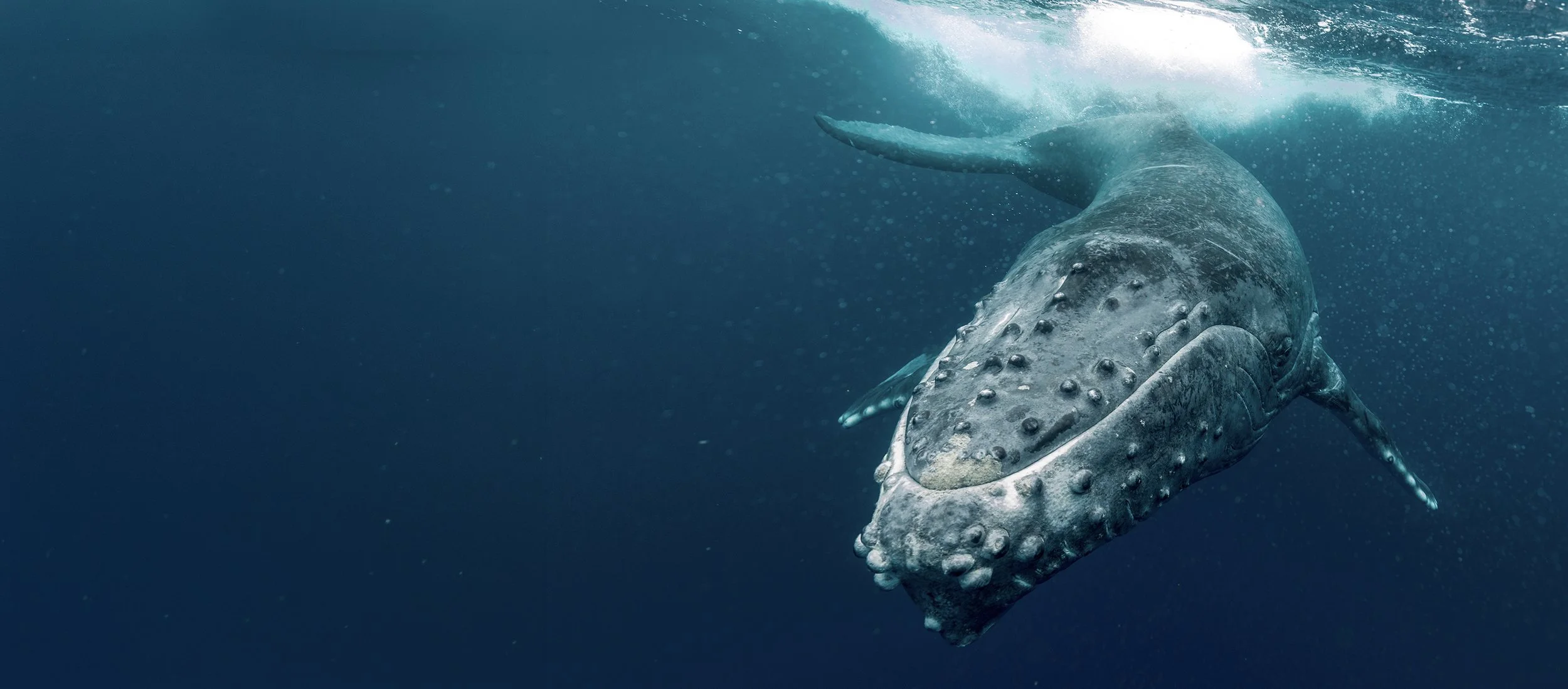
He Whakaputanga Moana
The Whale Protection and Legal Personhood Declaration
Released on February 5, 2026
in Waitangi, Aotearoa New Zealand.
Signed on March 28, 2024
in Rarotonga, Cook Islands.

He Whakaputanga Moana is the first Declaration recognizing whales as sentient beings with inherent rights.
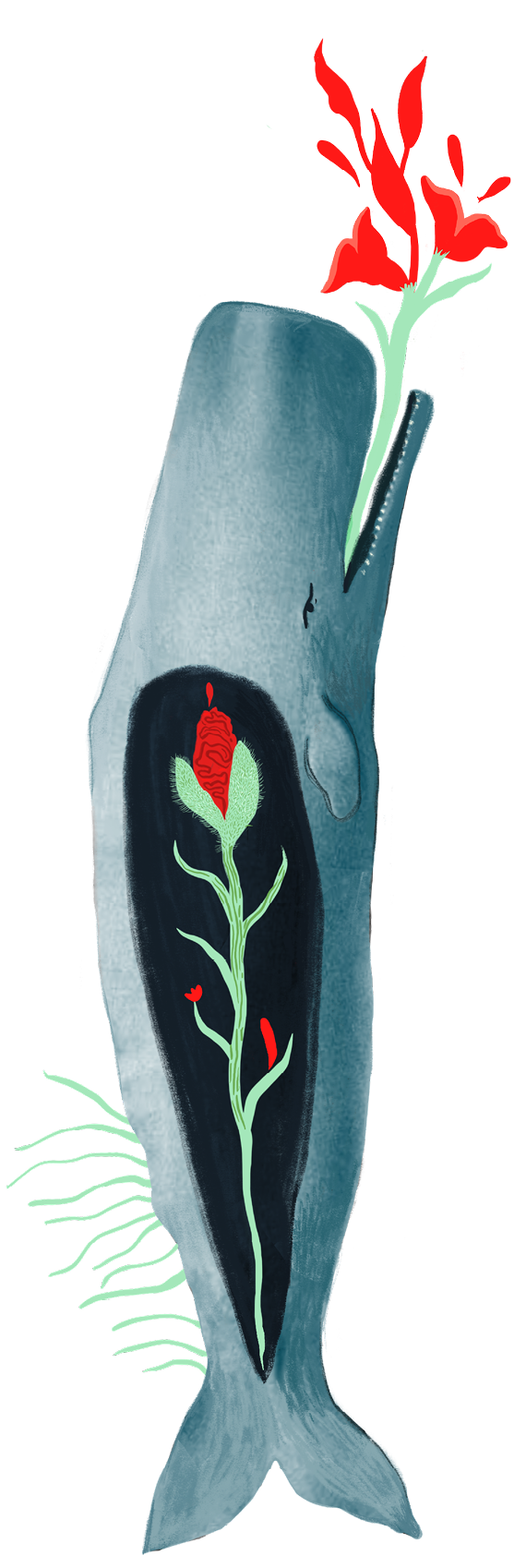
Grounded in Te Ao Māori teachings and Polynesian values, the Declaration recognizes whales as both ancestors and sentient beings. It acknowledges the interconnectedness of all beings, humanity’s responsibility to act as a guardian for the ocean’s health, and Pacific peoples’ deep connection to the ocean and right to self-determination in the context of managing and protecting ancestral waters.
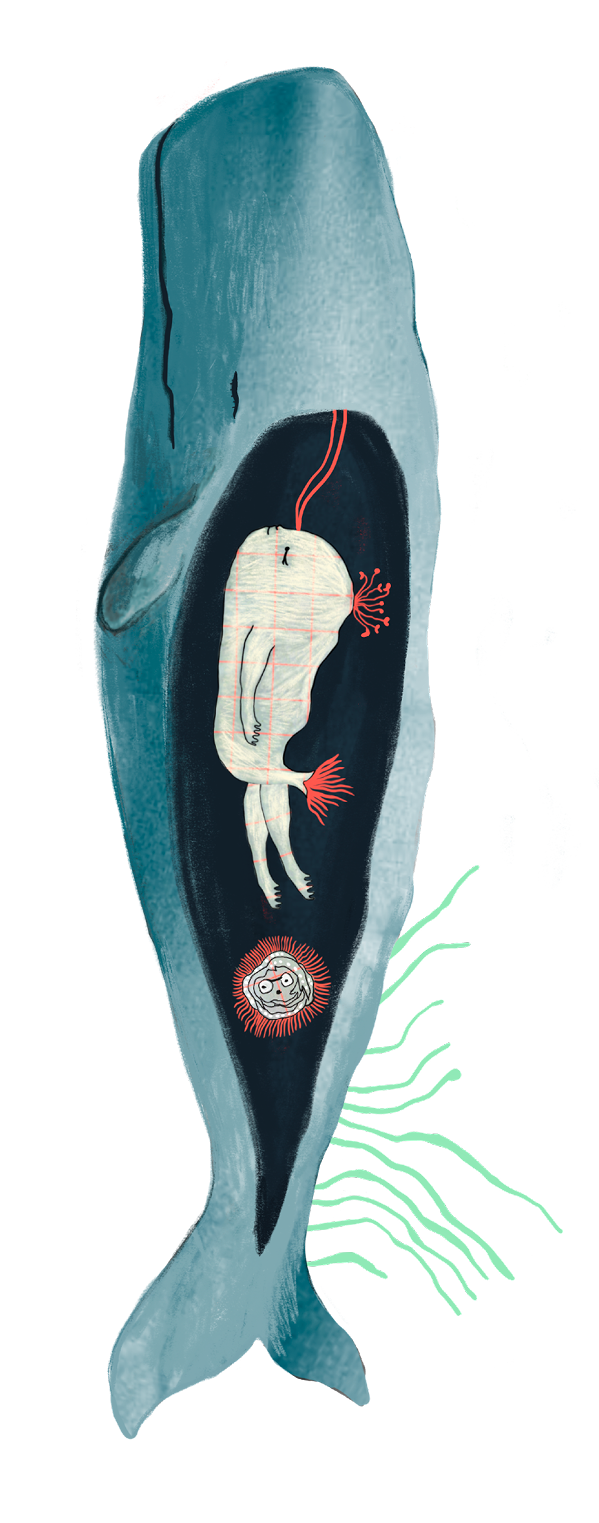
About the Declaration.
He Whakaputanga Moana moves beyond symbolic gestures to establish concrete protections.
Recognizes that whales possess inherent rights essential for their existence, thriving, and flourishing in healthy marine ecosystems
Guarantees whales legal representation and standing in decision-making processes
Requires that whale interests and values be integrated into management and policy
Calls for the establishment and expansion of marine protected areas
Empowers community participation and collaboration in ocean stewardship
The Process
The Declaration was signed on March 28, 2024 in Rarotonga, Cook Islands by Indigenous leaders including the late Māori King Tūheitia Potatau Te Wherowhero VII (Aotearea) and Tou Travel Ariki (Cook Islands).
Its creation was spearheaded by Hinemoana Halo and represents years of dialogue rooted in Pacific Indigenous knowledge systems, which have always recognized the spiritual, cultural, and relational ties between people and whales — and our shared responsibility as guardians of the moana.
On February 5, 2026, the Declaration was be publicly released in Waitangi, Aotearoa New Zealand, marking the beginning of a global movement to implement its vision.
The Alliance
To bring the Declaration to life, Hinemoana Halo has partnered with New York University’s More-Than-Human Life (MOTH) Program, and Project CETI (Cetacean Translation Initiative)—a collaboration that brings together Indigenous leadership, legal expertise and innovation, and cutting-edge whale communication science.
This alliance represents what becomes possible when diverse knowledge systems converge in service of ecological and interspecies justice.